


When Nashville Rejected Elvis Presley, Louisiana Gave Him His Biggest Break

Some of the greatest stories in American music almost never happened.
On October 2, 1954, a nervous 19 year old from Memphis walked onto the stage of Nashville's Ryman Auditorium to perform on the Grand Ole Opry. It was the show he had grown up listening to on the radio, imagining that one day he might stand on that very stage himself.
Instead, he walked away discouraged.
Elvis Presley performed a rockabilly version of Bill Monroe's "Blue Moon of Kentucky," and the audience wasn't quite sure what to make of him. According to longtime accounts, Grand Ole Opry talent manager Jim Denny suggested the young singer stick with his day job as a truck driver. Elvis was so disappointed that he reportedly cried afterward, and on the drive home accidentally left his suitcase behind at a gas station.
Nashville wasn't ready for Elvis Presley... Fortunately for music history, Shreveport, Louisiana was.
How the Louisiana Hayride Gave Elvis Presley His Big Break
Just two weeks after his disappointing appearance at the Grand Ole Opry, Sun Records founder Sam Phillips booked Elvis on the Louisiana Hayride, the Opry's biggest competitor. Broadcast live every Saturday night from the Municipal Auditorium in downtown Shreveport, the Hayride had already earned a reputation for taking chances on artists who didn't fit the traditional mold.

Elvis left Memphis on a Friday night with Phillips, guitarist Scotty Moore, and bassist Bill Black, driving through the night to Northwest Louisiana. After arriving in Shreveport, they checked into the Captain Shreve Hotel downtown before preparing for that evening's performance.
When KWKH announcer Frank Page introduced the unknown singer to the packed audience on October 16, 1954, the reaction wasn't immediate. Reports indicate Elvis struggled to connect with the crowd during his opening performance of "That's All Right Mama." But as the evening went on, the atmosphere began to change. Younger audience members started responding to his energy, the applause grew louder, and by the end of the show the crowd was on its feet clapping, dancing, and asking for more.
The Louisiana Hayride had found its newest star.
Elvis Presley Became a Louisiana Hayride Regular
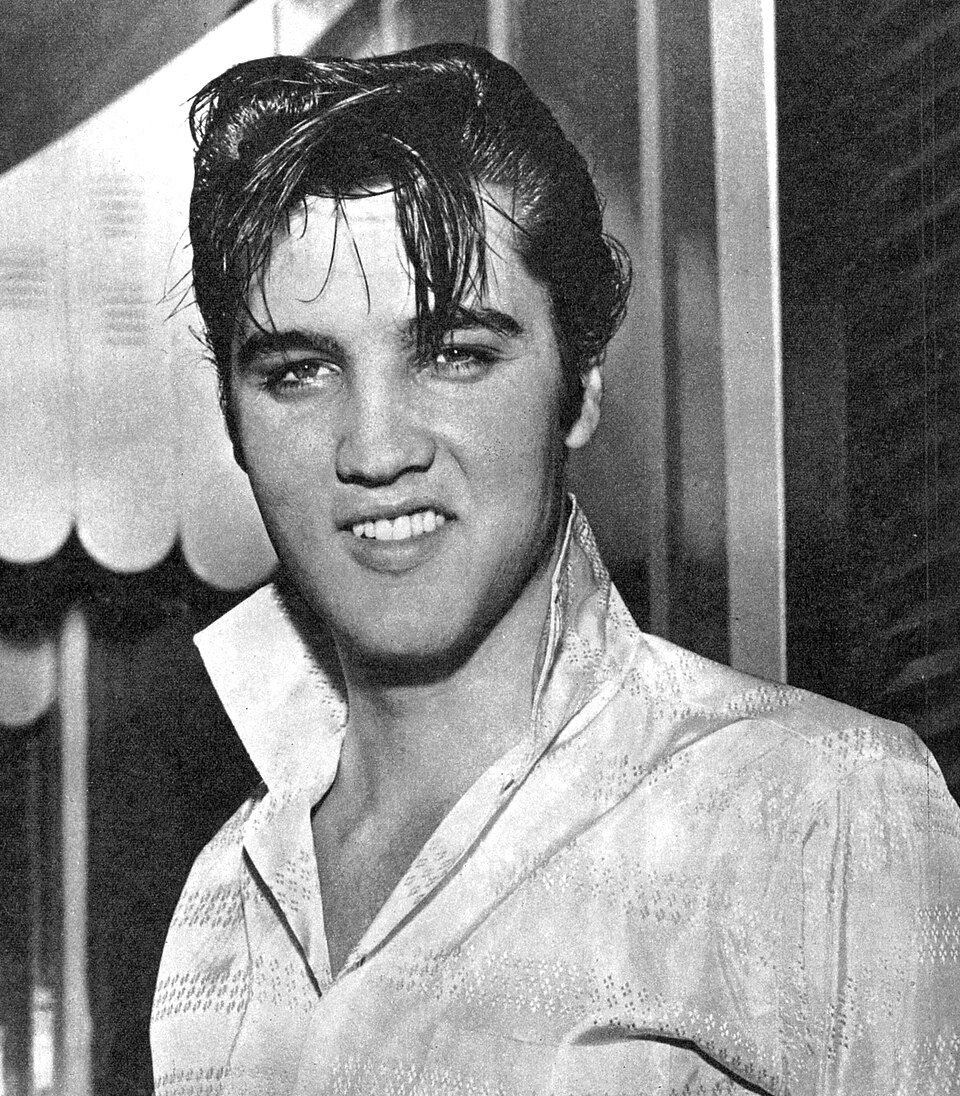
Less than a month later, on November 6, 1954, Elvis signed a contract to perform on the Louisiana Hayride every Saturday night for an entire year. Because he was only 19 years old, his parents, Gladys and Vernon Presley, traveled to Shreveport to sign the agreement alongside him.
His pay was just $18 per performance.
It is remarkable to think that one of the most influential entertainers in history spent nearly every Saturday night performing in Shreveport for eighteen dollars while thousands of listeners across the country tuned in on KWKH's powerful 50,000 watt radio signal.
Why the Louisiana Hayride Was So Important
Long before Elvis became the King of Rock and Roll, the Louisiana Hayride had become known as "The Cradle of the Stars."
Beginning in 1948, the program built its reputation by giving promising artists opportunities that more established stages often wouldn't. Hank Williams found a second chance there. Johnny Cash, Webb Pierce, Faron Young, Jim Reeves, and countless others all benefited from the Hayride's willingness to embrace new talent.
That spirit made the Louisiana Hayride the perfect home for a young performer who didn't quite fit Nashville's expectations.
Elvis' Time in Shreveport Extended Beyond the Stage
During his weekly visits to Northwest Louisiana, Elvis became a familiar face around Shreveport.

One of his favorite stops was Southern Maid Donuts on Greenwood Road, famous for its glowing "HOT HOT HOT" sign whenever fresh doughnuts came out of the fryer. On November 6, 1954, the same day he signed his Hayride contract, Elvis recorded what remains the only commercial of his career, singing a radio jingle for Southern Maid Donuts.
Yes, the future King of Rock and Roll actually once sang about piping-hot donuts in Louisiana.
"Elvis Has Left the Building" Started in Louisiana
By October 1955, Elvis had become one of the biggest names in music. His Louisiana Hayride contract was renewed at $200 per performance, but his success quickly outgrew even the Hayride's stage.
In 1956, Colonel Tom Parker bought Elvis out of his contract for $10,000 with one condition: He had to return to Shreveport for one final performance and he did exactly that.
On December 15, 1956, the crowd was so large that the show moved from Municipal Auditorium to Hirsch Coliseum. At the end of the night, Hayride announcer Horace Logan spoke the words that would become part of entertainment history.

"Elvis has left the building."
Those famous words were first spoken right here in Louisiana.
Elvis Presley Never Forgot Where He Got His Chance
History often remembers the Grand Ole Opry for turning Elvis Presley away. But it should also remember the Louisiana Hayride for welcoming him with open arms.
If Shreveport had decided that Elvis didn't belong either, music history might have unfolded very differently. Instead, Louisiana gave him something every young artist hopes to find. A stage, an audience willing to listen, and the opportunity to grow into the performer he was becoming.
The Louisiana Hayride earned its nickname as "The Cradle of the Stars" because it believed in artists before the rest of the world did. Elvis Presley remains one of its greatest success stories, and one of the strongest reminders that some of country music's most important chapters were written right here in Louisiana.
FAQ's
Why did the Grand Ole Opry reject Elvis Presley?
According to longtime accounts, Elvis Presley's 1954 Grand Ole Opry performance did not connect with the audience, and talent manager Jim Denny reportedly advised him to return to driving a truck.
What was the Louisiana Hayride?
The Louisiana Hayride was a live country music radio program broadcast from Municipal Auditorium in Shreveport, Louisiana. Known as "The Cradle of the Stars," it helped launch the careers of artists including Elvis Presley, Hank Williams, Johnny Cash, and Jim Reeves.
When did Elvis Presley perform on the Louisiana Hayride?
Elvis Presley first performed on the Louisiana Hayride on October 16, 1954, and soon signed a one year contract to appear every Saturday night.
Where did the phrase "Elvis has left the building" originate?
The famous phrase was first spoken by Louisiana Hayride announcer Horace Logan after Elvis Presley's final Hayride performance at Hirsch Coliseum in Shreveport, Louisiana, on December 15, 1956.
Why is the Louisiana Hayride important to country music history?
The Louisiana Hayride became one of the most influential radio shows in American music by giving emerging artists a platform before they became national stars. Its willingness to take chances helped launch some of country music's most iconic careers.
Can you still visit the Louisiana Hayride in Shreveport?
Yes. While the original Louisiana Hayride radio program is no longer broadcast, you can still visit Shreveport Municipal Auditorium, where the show was held from 1948 to 1960. Designated a National Historic Landmark, the auditorium remains a working performance venue and offers visitors the chance to stand on the stage where Elvis Presley, Hank Williams, Johnny Cash, Jim Reeves, Webb Pierce, and many other music legends helped shape American music history.
love stories like these?
Subscribe to the Louisiana Country Music newsletter for more artist spotlights, new releases, and stories from artists with Louisiana roots.
Follow your favorite Louisiana artists HERE.
This article is for informational and editorial purposes only. Details such as release dates, event information, and artist updates are subject to change. Featuring an artist does not imply any endorsement, partnership, representation, or business relationship unless explicitly stated. All trademarks, images, and music referenced remain the property of their respective owners.


Comments